We’re thrilled to share our latest research, now published in the Marine Pollution Bulletin: “From land to sea: Environmental DNA is correlated with long-term water quality indicators in an urbanized estuary.” The study sheds light on the hidden biodiversity within urban estuaries, focusing on the Broadwater, an ecologically vital estuary on Australia’s Gold Coast that faces mounting pressure from urban development.
The Challenge
Estuaries like the Broadwater are critical ecosystems linking oceans with freshwater networks. Aside from playing a crucial role in coastal protection, nutrient supply, and contaminant filtration, they host a range of habitats that serve as nurseries for ecologically important species. However, with rapid urban expansion, the biodiversity within these ecosystems remains at risk – and largely unknown. Extinctions may be happening right under our noses.
How eDNA Can Help
In the study, led by The University of Queensland’s Adam Downie, along with Joseph DiBattista, Will Bennett, and Mark de Bruyn, we used eDNA metabarcoding to reveal this hidden diversity and gauge the health of these environments. Using multiple metabarcoding assays targeting a wide range of taxonomic groups (Tree-of-Life metabarcoding), we uncovered insights into the estuary’s biodiversity. We then compared this data with water quality indicators to build a comprehensive picture of estuarine health.
Key Findings
Our eDNA analysis revealed some fascinating insights into the Broadwater’s biodiversity and health:
- Biodiversity Discovery: We detected 787 unique taxa, adding 137 new biodiversity records. This highlights the power of eDNA in uncovering biodiversity in urbanized areas.
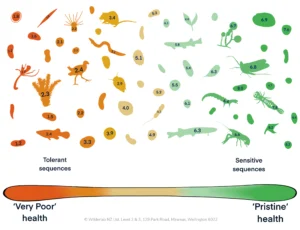
- Environmental Indicators: Sites with poorer water quality showed greater richness of microorganisms, plants, and small fauna. Pollution-resilient species may thrive in these conditions, potentially serving as indicators of water quality.
- Bioindicator Potential: Several taxa found were strongly associated with existing water quality metrics. This suggests that, in the future, eDNA could help establish bioindicator species for rapid assessments of ecosystem health.
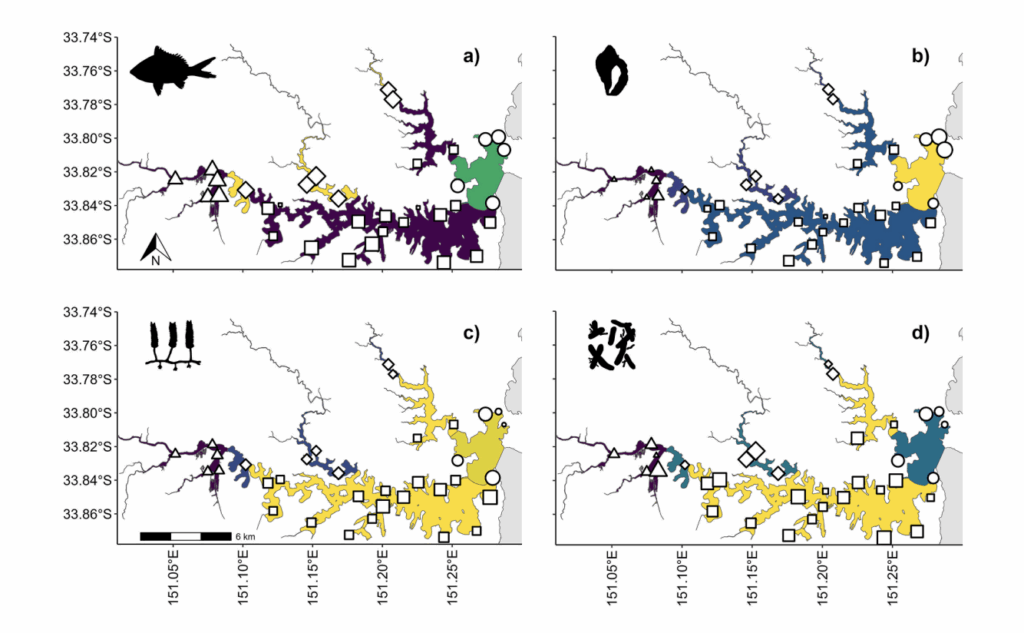
These findings build on recent research in Sydney Harbour, which showed how Tree-of-Life metabarcoding could combat shifting baselines in the richly diverse urban estuaries of Sydney Harbour.
What This Means for Our Estuaries
Combining Tree-of-Life metabarcoding with water quality data offers an effective approach to assessing the health of urban estuaries. By revealing a more complete picture of biodiversity, it can inform conservation strategies essential for protecting these vital ecosystems. With urban coastal development on the rise, safeguarding our estuaries is more crucial than ever – and eDNA monitoring provides a powerful tool for making that possible.