
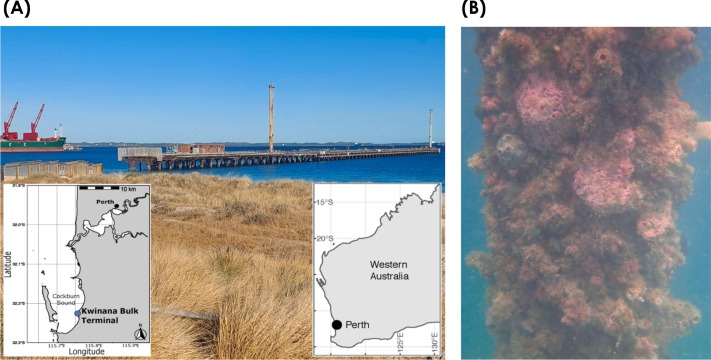
This study tested a simple but innovative idea: using small, widely available paint rollers to collect eDNA from submerged marine surfaces. Researchers compared four different sampling methods — polyurethane foam, nylon swabs, microfibre paint rollers, and sediment scoops — to see which captured the greatest diversity of marine life.
All methods detected a rich array of organisms, with more than 250 multicellular species identified across the study site. Paint rollers performed particularly well, proving to be an effective, inexpensive, and easy-to-source tool for gathering eDNA from underwater structures and surfaces. Because paint rollers can be attached to long poles or potentially mounted on remotely operated vehicles, they also make it possible to sample locations that are otherwise difficult or unsafe for divers to reach.
The findings highlight a practical new option for marine biodiversity monitoring. By making eDNA sampling more accessible, affordable, and adaptable, tools like paint rollers can help increase sampling effort and improve detection of marine species across a wider range of habitats.
Read the full article here.